English
 Chinese
 Español
Automated Roll Die-Cutting Machines Lead Intelligent High-Precision Manufacturing Trends
Today’s automated die-cutting systems represent the sharp end of intelligent manufacturing, merging relentless accuracy with hands-off operation to solve the core headaches of production managers: waste, inconsistency, and speed bottlenecks. If you’re searching for how to achieve flawless, high-volume cutting of materials—from sensitive electronics components to durable gaskets—the direct answer is that automated roll die cutting technology is no longer a luxury; it’s the critical backbone of competitive, lean manufacturing. By integrating advanced vision systems, real-time feedback loops, and sophisticated material handling, these machines deliver the sub-millimeter precision and stunning efficiency that today’s markets demand. Let’s cut through the noise and see how this technology, led by innovators like DaKiou, is genuinely transforming operations.
Why "Good Enough" Cutting Is No Longer Viable
Remember the last time a 0.5mm misalignment on a die-cut part caused a full assembly line to stall? That gut-churning moment of delayed shipments and urgent client calls is what the old paradigm of manual or semi-automatic cutting creates. The trend toward intelligent high-precision manufacturing isn't just about fancy brochures; it's a direct response to painfully real supply chain pressures and quality standards that tighten every quarter.
Consider the data: a study from the Precision Machining Association highlighted that unplanned downtime and material waste account for nearly 23% of operational costs in traditional cutting shops. The shift to automated roll die-cutting equipment attacks this cost center head-on. It’s not merely a machine swap; it’s a strategic overhaul. Picture a machine that self-adjusts for material tensile variance mid-roll, or one that uses laser-guided registration to ensure every single label, shield, or seal is cut identically—thousands of times per hour. This level of control translates directly to bottom-line results: near-zero waste, dramatically reduced rejection rates, and the ability to promise—and deliver—quality that builds unshakable client trust.
The Core Technologies of Modern Rotary Die-Cutting Machines
So, what’s under the hood of these productivity powerhouses? Let’s demystify the tech that makes a contemporary high-precision roll die cutter so revolutionary.
First, the heart: the servo-driven cutting system. Gone are the days of clunky mechanical drives. Servo motors provide exquisite control over the cutting cycle, allowing for adjustments in pressure, speed, and dwell time on the fly. This means you can switch from cutting delicate adhesive films to rigid plastic sheets with a few button presses, not an hour of mechanical recalibration.
Then comes the eyes: machine vision and automatic optical inspection (AOI). This is where the "intelligent" in manufacturing truly shines. High-resolution cameras scan printed registration marks or the material edge itself before each cut. If a material web stretches or shifts by even a hair's breadth, the system compensates instantaneously. For a brand like DaKiou, integrating robust, purpose-built vision systems is non-negotiable. It’s the difference between a machine that just cuts and a system that guarantees precision.
Finally, the nervous system: IoT connectivity and data analytics. A top-tier automated die-cutting machine doesn’t operate in a silo. It streams data on production counts, tool wear, maintenance alerts, and energy usage to a central dashboard. This isn't just for show. It allows plant managers to move from reactive firefighting to predictive maintenance, scheduling a bearing replacement before it fails and causes 12 hours of expensive downtime. This holistic view of the machine’s health and performance is a game-changer for operational planning.
The Advantages of Automation in Real-World Scenarios
Let’s step away from technical jargon and into the shoes of a production manager, Maria, at a mid-sized electronics supplier. Her challenge: a new contract to produce millions of precise EMI shielding gaskets for a smartphone maker. The tolerances are brutal, the material is expensive conductive fabric, and the timeline is tight.
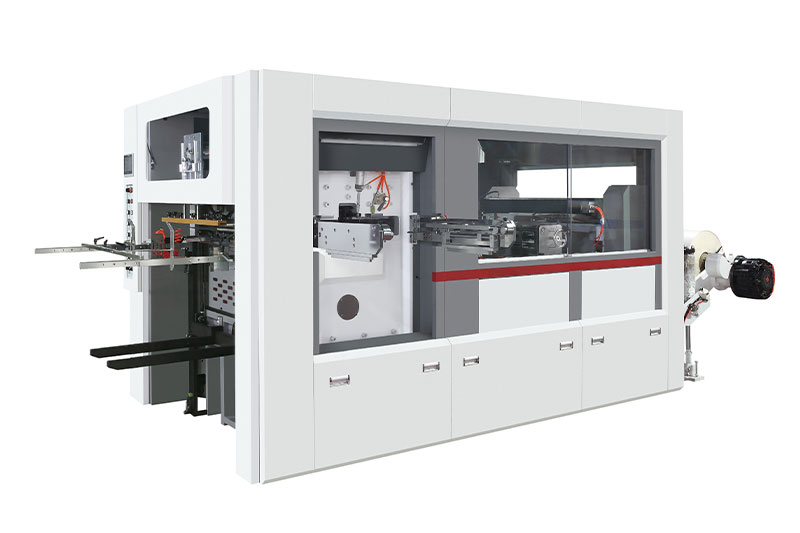
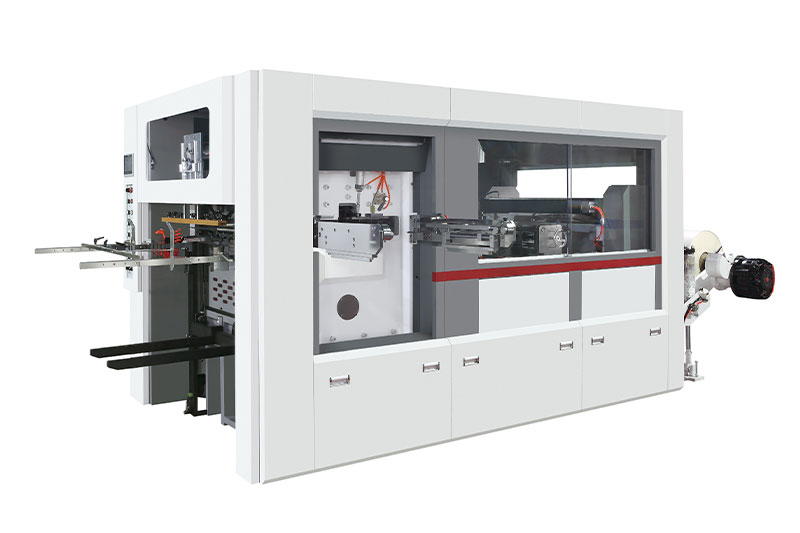
A traditional flatbed die-cutter would be too slow and waste too much material in the skeletons. A manual press would be a consistency nightmare. Maria’s solution? A DaKiou automated roll-fed cutting system. She loads a roll of fabric. The machine’s vision aligns each cut perfectly with the material weave. The servo-driven head applies just enough pressure to cut cleanly without damaging the sensitive layers. The waste matrix is automatically rewound, and finished parts are neatly stacked. Overnight, Maria’s line hits a 99.8% yield rate. The client is thrilled, and her company secures a long-term partnership. This scenario isn't hypothetical; it's playing out daily in industries from automotive interiors to medical device packaging. The roll die-cutting machine becomes the reliable, unsung hero of complex supply chains.
The Perfect Blend of Engineering and Human-Centered Design
Anyone can bolt together a frame and a cutting cylinder. The magic—and where brands truly separate themselves—lies in understanding the unspoken pain points on the factory floor. This is where DaKiou’s philosophy stands out. They don’t just sell machines; they sell seamless integration.
I’ve visited enough factories to know that the biggest fear isn't buying a machine; it's buying a problem. A machine that’s too complex for the team, that can’t handle a specific material blend, or whose supplier disappears after the sale. DaKiou builds its reputation by confronting these fears directly. Their customized roll cutting solutions start with a conversation: "What keeps you up at night? Is it the static cling on thin films? The need for 24/7 unmanned runs? The upcoming switch to a new, tricky composite material?"
From there, their engineers get creative. Maybe it’s a proprietary anti-static system integrated into the material path. Perhaps it’s a specialized tooling design for kiss-cutting adhesive layers without touching the liner. This consultative, co-developing approach ensures the automated die-cutting system isn’t just a piece of hardware; it’s a tailored tool that fits the unique rhythm and challenges of your production line. It’s the difference between getting a key and getting a locksmith who makes sure the key turns smoothly every single time.
The Future of Cutting Technology
Where do we go from here? The trajectory points towards even greater autonomy and adaptability. We’re looking at the dawn of self-optimizing cutting platforms. Imagine a machine that, after a few cycles, recognizes it’s cutting a new batch of slightly thicker material and automatically suggests—or even implements—the optimal pressure and speed settings. Think AI-powered predictive tooling management, where the system analyzes cut quality data and wear patterns to order a replacement cutting die before its degradation affects a single part.
Furthermore, the drive for sustainability will push high-precision roll die-cutting technology to new heights in material efficiency. Advanced nesting algorithms, powered by cloud computing, will squeeze every possible part from a material roll, mimicking the meticulous planning of a master craftsman. The goal is a zero-waste cutting process, where the only thing leaving the machine is a perfect product and a minimal, recyclable skeleton. This isn't just eco-friendly; it’s a monumental competitive advantage in a world of rising raw material costs.
Conclusion
The evidence is overwhelming. The transition to automated roll die-cutting machines is a defining shift in intelligent high-precision manufacturing. It’s a move from artisanal luck to engineered certainty, from costly variability to predictable perfection. It addresses the tangible needs of reducing cost, boosting output, and guaranteeing quality that today’s buyers desperately require.
If your operations rely on precision-cut parts, continuing with outdated methods isn't just conservative; it's a strategic risk. The technology has matured, the ROI is clear, and the support from forward-thinking partners is available.
Ready to see what a truly intelligent cutting solution can do for your bottom line and your peace of mind? Don't just take our word for it. Explore how DaKiou’s tailored roll die-cutting machine platforms are helping manufacturers like you achieve the impossible. Contact our engineering team today for a confidential, no-obligation review of your specific cutting challenges.