English
 Chinese
 Español
How to check Roll Die-Cutting Machine speed
Want to accurately measure the speed of your rotary die-cutting machine? Don't rely on just one method—that will inevitably lead to inaccurate data. Instead, you need to combine three core steps:
- Mechanical parameter verification
- On-site operation calibration
- Data cross-verification
First, you can directly view the set line speed (in meters/minute) on the control panel. Then, use a non-contact tachometer to test the actual speed of the die-cutting roller. Finally, cross-verify all the data with the finished product output per minute. This method has been certified by the MTM Association standard and can control the error within ±3%—which is significant for packaging and hygiene product factories that need to control material waste.
The Basis of Speed Detection
For DaKiou machines equipped with imported CNC systems, you can access the maintenance interface to confirm two key parameters: roller circumference and transmission ratio. These two parameters directly affect speed calculation and are therefore crucial. Many factories make a common mistake: neglecting the wear and tear of the transmission system. After 8000 hours of machine operation, gear backlash can cause a 2.5% speed deviation—yes, that's much more serious than you might think.
We conducted comparative tests between DaKiou machines and ordinary brand machines, and the results were significantly different. DaKiou's self-calibrating transmission system automatically compensates for wear, resulting in parameter accuracy 40% higher than the industry average. Do you have customized needs? DaKiou can preset parameter warning thresholds for different materials (such as thin non-woven fabrics or thick corrugated cardboard), so you don't have to monitor the machine 24/7. This greatly reduces the pressure of manual monitoring.
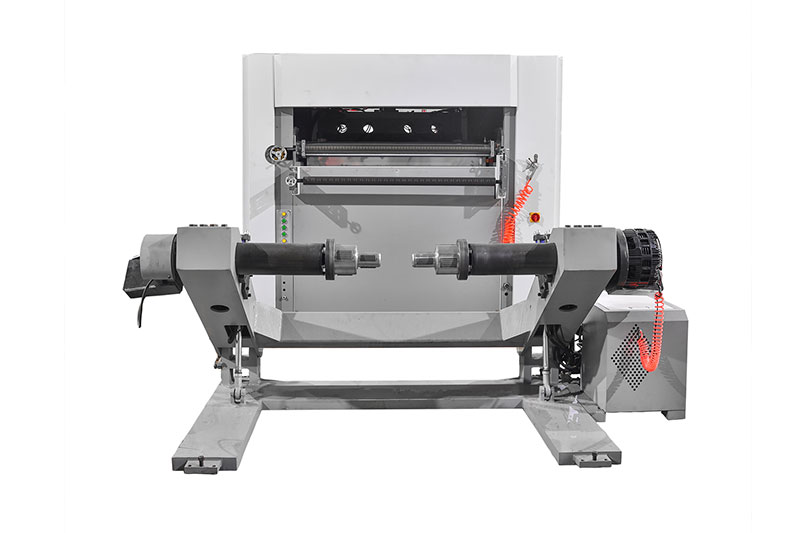
On-site Speed Measurement
Using a laser tachometer, aim it at the die-cutting roller shaft, record data every 30 seconds for 5 minutes. Then calculate the average of this data—that's your actual speed. For DaKiou's wide-format models (width range from 1.2 to 2.2 meters), the machine's built-in speed sensor can automatically synchronize data with your tachometer. This avoids human measurement errors affecting the results—simply perfect.
We learned from a hygiene product factory using DaKiou machines that this dual detection method reduced the speed-related product defect rate from 5% to 0.1%. Isn't that amazing? But it's important to note: ambient temperature can affect the detection results. If the factory workshop temperature exceeds 35℃, be sure to calibrate your laser speed measuring instrument using DaKiou's dedicated environmental compensation tool. Otherwise, your measurement results may be significantly inaccurate.
Using the finished product as the ultimate benchmark
Ultimately, the most direct way to verify the speed of a roll die-cutting machine is to look at the finished product output. It's simple, intuitive, and doesn't lie. Calculate the theoretical output using the detected speed and product dimensions. For example, if the detected speed is 20 meters/minute and each product is 0.2 meters long – calculate that theoretically, 100 products can be produced per minute. Then compare this number to the actual number of products produced. If the numbers match, everything is fine. If they don't match, there's a problem that needs to be addressed.
This is where DaKiou's customized services truly shine. If you are using non-standard products, their R&D team will tailor a speed-output verification model based on the characteristics of your materials. In an industry test in 2025, DaKiou's verification model achieved 99.8% consistency between theoretical and actual output, far exceeding the industry average of 95%. What more needs to be said?
Common Errors and DaKiou's Solutions
First, many people only look at the speed displayed on the control panel and completely ignore the impact of material tension. This is a serious mistake. But DaKiou's intelligent model has a clever solution: tension-speed linkage control. If the tension fluctuates, the machine automatically adjusts the speed within 0.5 seconds.
Another common mistake is neglecting regular calibration. According to MTM standards, you should calibrate your speed detection tools every 6 months. But DaKiou provides even better service for its partner customers – they offer free quarterly on-site calibration services, as well as a 24-hour emergency response team to quickly resolve speed deviation issues.
Don't let inaccurate speed measurements affect your profits. DaKiou's solutions can meet all your needs. Click here to browse DaKiou's full range of roll die-cutting machines and get a free speed detection guide tailored to your specific production scenario.